Buy corporate-finance.eu ?
We are moving the project
corporate-finance.eu .
Are you interested in purchasing the domain
corporate-finance.eu ?
domain@kv-gmbh.de · 0541-91531010
Buy corporate-finance.eu ?
How is equity, debt capital, current assets, and fixed assets combined?
Equity, debt capital, current assets, and fixed assets are combined on a company's balance sheet. Equity represents the ownership interest of the shareholders, while debt capital represents the funds borrowed by the company. Current assets, such as cash, inventory, and accounts receivable, are combined with fixed assets, such as property, plant, and equipment, to represent the total assets of the company. These components are combined to provide a snapshot of the company's financial position and to show how the company has financed its operations and investments. **
What is equity capital?
Equity capital refers to the funds that a company raises by selling shares of ownership in the business. These shares represent ownership in the company and entitle the shareholders to a portion of the company's profits and a say in its decision-making processes. Equity capital is a crucial source of long-term funding for a company and can be raised through the sale of common stock or preferred stock. Unlike debt capital, equity capital does not need to be repaid and does not accrue interest, but it does dilute the ownership stake of existing shareholders. **


Similar search terms for Degree
Top-Angebote
Products related to Degree:
-
Inspired Finds 360 Degree Feather Cat Teaser Wand 360 Degree Feather Cat Teaser WandMake playtime more active and exciting with this cat teaser wand designed for chasing, jumping, and pouncing fun. The 360 degree rotating design adds unpredictable movement that keeps cats curious and engaged, while feathers and bells help capture...39,99 $*Shipping: 0,00 $Secure redirect to the provider
-
Uplift Treasures 105 Degree Angle Drill Screwdriver Attachment 105 Degree Angle Drill Screwdriver AttachmentProduct Description Easily reach tight and awkward spaces with this 105 degree angle drill screwdriver attachment. Designed to connect seamlessly with electric drills and screwdrivers, it allows smooth corner fastening without strain. Perfect for...44,97 $*Shipping: 0,00 $Secure redirect to the provider
-
Uplift Essentials 105 Degree Right Angle Drill Attachment 105 Degree Right Angle Drill AttachmentTackle tight spaces and awkward angles with ease using this 105 Degree Turning Screwdriver Joint. Designed for versatility, this Electric Drill Corner Attachment acts as an Extension Socket, allowing your power tools to reach areas where a standard...32,97 $*Shipping: 0,00 $Secure redirect to the provider
-
Inspired Living 105 Degree Right Angle Drill Adapter Socket Extension Set 105 Degree AdapterSkip the frustration of screws you can see but cant reach. This right angle drill adapter helps your drill or screwdriver fit into tight corners, narrow gaps, and awkward angles with better control. Designed for DIYers, repair pros, and home...23,97 $*Shipping: 0,00 $Secure redirect to the provider


-
What is meant by an inorganic corporate merger?
An inorganic corporate merger refers to a merger or acquisition between two companies that are not directly related in terms of their core business activities or industries. This type of merger typically involves companies from different sectors coming together to create synergies, expand their market reach, or diversify their product offerings. Inorganic mergers are often pursued to accelerate growth, gain access to new technologies or markets, or achieve cost efficiencies through economies of scale. **
-
Which tangible assets for investment?
Tangible assets for investment can include real estate properties, such as residential or commercial buildings, land, or rental properties. Other tangible assets may include precious metals like gold and silver, artwork, collectibles, or even vintage cars. These assets have the potential to appreciate in value over time and can provide a source of passive income through rental yields or capital appreciation upon resale. It is important to carefully research and evaluate the market conditions and potential risks associated with each type of tangible asset before making an investment decision. **
-
How can one finance a mechanical engineering degree?
One can finance a mechanical engineering degree through a variety of means. This can include scholarships, grants, and bursaries offered by universities, private organizations, and government agencies. Additionally, students can apply for student loans to cover the cost of tuition and living expenses. Some students may also choose to work part-time or take on internships to help offset the cost of their education. Finally, some employers may offer tuition reimbursement or assistance programs for employees pursuing a degree in mechanical engineering. **
-
What does equity capital requirement mean?
Equity capital requirement refers to the amount of capital that a company is required to maintain in the form of equity, such as common stock or retained earnings, in order to meet regulatory standards or financial obligations. It is a measure of the company's financial stability and ability to absorb losses. Meeting equity capital requirements is important for ensuring that a company has a sufficient cushion to cover potential risks and liabilities. Failure to meet these requirements can result in penalties or restrictions imposed by regulatory authorities. **

What does equity capital adequacy mean?
Equity capital adequacy refers to the amount of equity capital a company has in relation to its total assets and liabilities. It is a measure of a company's financial health and ability to absorb losses. A higher equity capital adequacy ratio indicates that a company has a stronger financial position and is better able to withstand financial shocks or downturns. It is an important metric for investors and regulators to assess the stability and risk profile of a company. **
What is the difference between debt capital and equity capital?
Debt capital is money borrowed from lenders or creditors, which must be repaid with interest over a specified period of time. It represents a liability on the company's balance sheet. Equity capital, on the other hand, is money raised by a company by selling shares of ownership in the business. Equity capital does not need to be repaid and represents an ownership stake in the company. While debt capital involves borrowing money, equity capital involves selling ownership in the company to investors. **
Top-Angebote
Products related to Degree:
-
Uplift Treasures 105 Degree Angle Socket Adapter Extension Set 105 Degree AdapterProduct Description Easily access tight and hard to reach spaces with this 105 degree angle socket adapter extension set. Built for impact grade performance, it allows smooth fastening with power tools and hand drivers. A must have attachment for...44,97 $*Shipping: 0,00 $Secure redirect to the provider
-
Uplifted Finds Impact Grade 105 Degree Right Angle Socket Adapter 105 Degree AdapterMaximize your efficiency in tight spaces with the Right Angle Socket Adapter, a specialized power tool accessory designed to act as an efficient tool for reaching obstructed fasteners. Specifically engineered with a 105 degree offset framework, this...45,97 $*Shipping: 0,00 $Secure redirect to the provider
-
Inspired Finds 360 Degree Feather Cat Teaser Wand 360 Degree Feather Cat Teaser WandMake playtime more active and exciting with this cat teaser wand designed for chasing, jumping, and pouncing fun. The 360 degree rotating design adds unpredictable movement that keeps cats curious and engaged, while feathers and bells help capture...39,99 $*Shipping: 0,00 $Secure redirect to the provider
-
Uplift Treasures 105 Degree Angle Drill Screwdriver Attachment 105 Degree Angle Drill Screwdriver AttachmentProduct Description Easily reach tight and awkward spaces with this 105 degree angle drill screwdriver attachment. Designed to connect seamlessly with electric drills and screwdrivers, it allows smooth corner fastening without strain. Perfect for...44,97 $*Shipping: 0,00 $Secure redirect to the provider
-
How is equity, debt capital, current assets, and fixed assets combined?
Equity, debt capital, current assets, and fixed assets are combined on a company's balance sheet. Equity represents the ownership interest of the shareholders, while debt capital represents the funds borrowed by the company. Current assets, such as cash, inventory, and accounts receivable, are combined with fixed assets, such as property, plant, and equipment, to represent the total assets of the company. These components are combined to provide a snapshot of the company's financial position and to show how the company has financed its operations and investments. **
-
What is equity capital?
Equity capital refers to the funds that a company raises by selling shares of ownership in the business. These shares represent ownership in the company and entitle the shareholders to a portion of the company's profits and a say in its decision-making processes. Equity capital is a crucial source of long-term funding for a company and can be raised through the sale of common stock or preferred stock. Unlike debt capital, equity capital does not need to be repaid and does not accrue interest, but it does dilute the ownership stake of existing shareholders. **
-
What is meant by an inorganic corporate merger?
An inorganic corporate merger refers to a merger or acquisition between two companies that are not directly related in terms of their core business activities or industries. This type of merger typically involves companies from different sectors coming together to create synergies, expand their market reach, or diversify their product offerings. Inorganic mergers are often pursued to accelerate growth, gain access to new technologies or markets, or achieve cost efficiencies through economies of scale. **
-
Which tangible assets for investment?
Tangible assets for investment can include real estate properties, such as residential or commercial buildings, land, or rental properties. Other tangible assets may include precious metals like gold and silver, artwork, collectibles, or even vintage cars. These assets have the potential to appreciate in value over time and can provide a source of passive income through rental yields or capital appreciation upon resale. It is important to carefully research and evaluate the market conditions and potential risks associated with each type of tangible asset before making an investment decision. **
Similar search terms for Degree
-
Uplift Essentials 105 Degree Right Angle Drill Attachment 105 Degree Right Angle Drill AttachmentTackle tight spaces and awkward angles with ease using this 105 Degree Turning Screwdriver Joint. Designed for versatility, this Electric Drill Corner Attachment acts as an Extension Socket, allowing your power tools to reach areas where a standard...32,97 $*Shipping: 0,00 $Secure redirect to the provider
-
Inspired Living 105 Degree Right Angle Drill Adapter Socket Extension Set 105 Degree AdapterSkip the frustration of screws you can see but cant reach. This right angle drill adapter helps your drill or screwdriver fit into tight corners, narrow gaps, and awkward angles with better control. Designed for DIYers, repair pros, and home...23,97 $*Shipping: 0,00 $Secure redirect to the provider
-
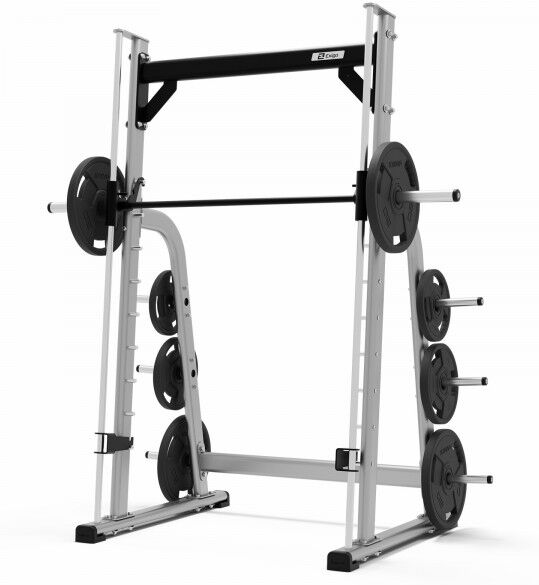
Exigo Smith Machine (5 Degree)***Lead Time: - Custom Made – 6-8 Weeks*** Introducing the Exigo Plate Loaded Smith Machine 5 Degree The Exigo Plate Loaded Smith Machine 5 Degree is part of Exigo’s market leading plate loaded range. This beautiful piece of commercial gym equipment is ideal to build strength. This machine has...2994,00 £*Shipping: 0,00 £Secure redirect to the provider
-
Uplift Picks 105 Degree Angle Drill Adapter Right Angle Screwdriver Bit Extension Tool 105 Degree AdapterMake tight and awkward spaces easy to work in with this practical right angle drill adapter. Designed for both professionals and DIY users, this angle screwdriver extension lets you reach areas where standard tools cant fit. Its compact and durable...70,48 $*Shipping: 0,00 $Secure redirect to the provider
-
How can one finance a mechanical engineering degree?
One can finance a mechanical engineering degree through a variety of means. This can include scholarships, grants, and bursaries offered by universities, private organizations, and government agencies. Additionally, students can apply for student loans to cover the cost of tuition and living expenses. Some students may also choose to work part-time or take on internships to help offset the cost of their education. Finally, some employers may offer tuition reimbursement or assistance programs for employees pursuing a degree in mechanical engineering. **
-
What does equity capital requirement mean?
Equity capital requirement refers to the amount of capital that a company is required to maintain in the form of equity, such as common stock or retained earnings, in order to meet regulatory standards or financial obligations. It is a measure of the company's financial stability and ability to absorb losses. Meeting equity capital requirements is important for ensuring that a company has a sufficient cushion to cover potential risks and liabilities. Failure to meet these requirements can result in penalties or restrictions imposed by regulatory authorities. **
-
What does equity capital adequacy mean?
Equity capital adequacy refers to the amount of equity capital a company has in relation to its total assets and liabilities. It is a measure of a company's financial health and ability to absorb losses. A higher equity capital adequacy ratio indicates that a company has a stronger financial position and is better able to withstand financial shocks or downturns. It is an important metric for investors and regulators to assess the stability and risk profile of a company. **
-
What is the difference between debt capital and equity capital?
Debt capital is money borrowed from lenders or creditors, which must be repaid with interest over a specified period of time. It represents a liability on the company's balance sheet. Equity capital, on the other hand, is money raised by a company by selling shares of ownership in the business. Equity capital does not need to be repaid and represents an ownership stake in the company. While debt capital involves borrowing money, equity capital involves selling ownership in the company to investors. **
* All prices are inclusive of VAT and, if applicable, plus shipping costs. The offer information is based on the details provided by the respective shop and is updated through automated processes. Real-time updates do not occur, so deviations can occur in individual cases. ** Note: Parts of this content were created by AI.