Buy corporate-finance.eu ?
We are moving the project
corporate-finance.eu .
Are you interested in purchasing the domain
corporate-finance.eu ?
domain@kv-gmbh.de · 0541-91531010
Buy corporate-finance.eu ?
How is equity, debt capital, current assets, and fixed assets combined?
Equity, debt capital, current assets, and fixed assets are combined on a company's balance sheet. Equity represents the ownership interest of the shareholders, while debt capital represents the funds borrowed by the company. Current assets, such as cash, inventory, and accounts receivable, are combined with fixed assets, such as property, plant, and equipment, to represent the total assets of the company. These components are combined to provide a snapshot of the company's financial position and to show how the company has financed its operations and investments. **
What is equity capital?
Equity capital refers to the funds that a company raises by selling shares of ownership in the business. These shares represent ownership in the company and entitle the shareholders to a portion of the company's profits and a say in its decision-making processes. Equity capital is a crucial source of long-term funding for a company and can be raised through the sale of common stock or preferred stock. Unlike debt capital, equity capital does not need to be repaid and does not accrue interest, but it does dilute the ownership stake of existing shareholders. **


Similar search terms for Table
Top-Angebote
Products related to Table:
-
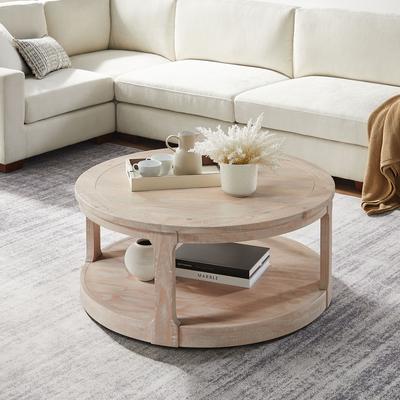
Ostweer Rustic Center Table Coffee Table End Table Cocktail TableDesigned with both practicality and aesthetic appeal, this coffee table features a spacious 40-inch tabletop made from solid pine and MDF, enhanced with a beautiful pine wood veneer.601,46 $*Shipping: 0,00 $Secure redirect to the provider
-
Ostweer Wood Coffee Table Center Table Side Table End Table"Combining rustic elegance with practicality, this oak coffee table offers both style and functionality. The spacious two-tier design makes organizing your space effortless, while the 8"" clearance allows for easy cleaning with a robot vacuum or broom."299,86 $*Shipping: 0,00 $Secure redirect to the provider
-
Ostweer 2-Tier Side Table Sofa Table Cocktail Table Coffee TableBuilt for durability and convenience, this table boasts a thickened metal frame and MDF wooden trays that are both sturdy and easy to maintain. The adjustable legs prevent floor scratches while offering extra stability.63,75 $*Shipping: 0,00 $Secure redirect to the provider
-
Contemporary Dining Table,Rectangular Kitchen Table,Conference Table,Executive Desk,Office TableExpansive Comfort - Our dining table offers spacious elegance with a generous 70.96-inch length for your meals. At a comfortable 29.52 inches high and a convenient 31.49 inches wide, it provides a user-friendly experience for dining and socializing.310,99 $*Shipping: 0,00 $Secure redirect to the provider



-
What is meant by an inorganic corporate merger?
An inorganic corporate merger refers to a merger or acquisition between two companies that are not directly related in terms of their core business activities or industries. This type of merger typically involves companies from different sectors coming together to create synergies, expand their market reach, or diversify their product offerings. Inorganic mergers are often pursued to accelerate growth, gain access to new technologies or markets, or achieve cost efficiencies through economies of scale. **
-
Which tangible assets for investment?
Tangible assets for investment can include real estate properties, such as residential or commercial buildings, land, or rental properties. Other tangible assets may include precious metals like gold and silver, artwork, collectibles, or even vintage cars. These assets have the potential to appreciate in value over time and can provide a source of passive income through rental yields or capital appreciation upon resale. It is important to carefully research and evaluate the market conditions and potential risks associated with each type of tangible asset before making an investment decision. **
-
What does equity capital requirement mean?
Equity capital requirement refers to the amount of capital that a company is required to maintain in the form of equity, such as common stock or retained earnings, in order to meet regulatory standards or financial obligations. It is a measure of the company's financial stability and ability to absorb losses. Meeting equity capital requirements is important for ensuring that a company has a sufficient cushion to cover potential risks and liabilities. Failure to meet these requirements can result in penalties or restrictions imposed by regulatory authorities. **
-
What does equity capital adequacy mean?
Equity capital adequacy refers to the amount of equity capital a company has in relation to its total assets and liabilities. It is a measure of a company's financial health and ability to absorb losses. A higher equity capital adequacy ratio indicates that a company has a stronger financial position and is better able to withstand financial shocks or downturns. It is an important metric for investors and regulators to assess the stability and risk profile of a company. **


What is the difference between debt capital and equity capital?
Debt capital is money borrowed from lenders or creditors, which must be repaid with interest over a specified period of time. It represents a liability on the company's balance sheet. Equity capital, on the other hand, is money raised by a company by selling shares of ownership in the business. Equity capital does not need to be repaid and represents an ownership stake in the company. While debt capital involves borrowing money, equity capital involves selling ownership in the company to investors. **
What is the difference between share capital and equity capital?
Share capital refers to the total value of shares issued by a company to its shareholders, representing their ownership in the company. On the other hand, equity capital refers to the total value of the shareholders' equity in a company, which includes share capital plus any additional capital contributed by shareholders through retained earnings or other equity instruments. In essence, share capital is a subset of equity capital, as it represents the initial investment made by shareholders through the purchase of shares. **
Top-Angebote
Products related to Table:
-
When Genius Failed: The Rise and Fall of Long-Term Capital Management by Roger Lowenstein - Fourth Estate Paperback - Business & Finance Non FictionWhen Genius Failed is Roger Lowenstein's gripping account of the rise and collapse of Long-Term Capital Management, the hedge fund run by Wall Street legend John Meriwether and staffed with Nobel Prize-winning economists. This book, published by Fourth Estate, is a brand-new UK paperback that traces how a fund once considered infallible nearly brought down the global financial system, offering lessons on risk, leverage, and hubris for investors, students, and readers alike. In the mid-1990s, Long-Term Capital Management was the envy of Wall Street. Founded by bond trader John Meriwether and backed by brilliant minds, the fund promised sophisticated mathematical models delivering consistent returns. For a time, it delivered spectacularly, attracting billions from banks, pension funds, and individuals. This book takes readers inside the world of high finance, revealing the story of a fund that was once considered infallible, but ultimately failed.2,99 £*Shipping: 2,99 £Secure redirect to the provider
-
Ostweer Rustic Center Table Coffee Table End Table Cocktail TableDesigned with both practicality and aesthetic appeal, this coffee table features a spacious 40-inch tabletop made from solid pine and MDF, enhanced with a beautiful pine wood veneer.601,46 $*Shipping: 0,00 $Secure redirect to the provider
-
Ostweer Wood Coffee Table Center Table Side Table End Table"Combining rustic elegance with practicality, this oak coffee table offers both style and functionality. The spacious two-tier design makes organizing your space effortless, while the 8"" clearance allows for easy cleaning with a robot vacuum or broom."299,86 $*Shipping: 0,00 $Secure redirect to the provider
-
How is equity, debt capital, current assets, and fixed assets combined?
Equity, debt capital, current assets, and fixed assets are combined on a company's balance sheet. Equity represents the ownership interest of the shareholders, while debt capital represents the funds borrowed by the company. Current assets, such as cash, inventory, and accounts receivable, are combined with fixed assets, such as property, plant, and equipment, to represent the total assets of the company. These components are combined to provide a snapshot of the company's financial position and to show how the company has financed its operations and investments. **
-
What is equity capital?
Equity capital refers to the funds that a company raises by selling shares of ownership in the business. These shares represent ownership in the company and entitle the shareholders to a portion of the company's profits and a say in its decision-making processes. Equity capital is a crucial source of long-term funding for a company and can be raised through the sale of common stock or preferred stock. Unlike debt capital, equity capital does not need to be repaid and does not accrue interest, but it does dilute the ownership stake of existing shareholders. **
-
What is meant by an inorganic corporate merger?
An inorganic corporate merger refers to a merger or acquisition between two companies that are not directly related in terms of their core business activities or industries. This type of merger typically involves companies from different sectors coming together to create synergies, expand their market reach, or diversify their product offerings. Inorganic mergers are often pursued to accelerate growth, gain access to new technologies or markets, or achieve cost efficiencies through economies of scale. **
-
Which tangible assets for investment?
Tangible assets for investment can include real estate properties, such as residential or commercial buildings, land, or rental properties. Other tangible assets may include precious metals like gold and silver, artwork, collectibles, or even vintage cars. These assets have the potential to appreciate in value over time and can provide a source of passive income through rental yields or capital appreciation upon resale. It is important to carefully research and evaluate the market conditions and potential risks associated with each type of tangible asset before making an investment decision. **
Similar search terms for Table
-
Ostweer 2-Tier Side Table Sofa Table Cocktail Table Coffee TableBuilt for durability and convenience, this table boasts a thickened metal frame and MDF wooden trays that are both sturdy and easy to maintain. The adjustable legs prevent floor scratches while offering extra stability.63,75 $*Shipping: 0,00 $Secure redirect to the provider
-
Contemporary Dining Table,Rectangular Kitchen Table,Conference Table,Executive Desk,Office TableExpansive Comfort - Our dining table offers spacious elegance with a generous 70.96-inch length for your meals. At a comfortable 29.52 inches high and a convenient 31.49 inches wide, it provides a user-friendly experience for dining and socializing.310,99 $*Shipping: 0,00 $Secure redirect to the provider
-
"71"" Conference Table Large Oval Meeting Table Executive Table""Elevate your workspace with this large conference table! This oval meeting table boasts a generous 71"" tabletop, offering plenty of space for all your office essentials while comfortably seating up to 6-8 people for larger gatherings."157,99 $*Shipping: 0,00 $Secure redirect to the provider
-
What does equity capital requirement mean?
Equity capital requirement refers to the amount of capital that a company is required to maintain in the form of equity, such as common stock or retained earnings, in order to meet regulatory standards or financial obligations. It is a measure of the company's financial stability and ability to absorb losses. Meeting equity capital requirements is important for ensuring that a company has a sufficient cushion to cover potential risks and liabilities. Failure to meet these requirements can result in penalties or restrictions imposed by regulatory authorities. **
-
What does equity capital adequacy mean?
Equity capital adequacy refers to the amount of equity capital a company has in relation to its total assets and liabilities. It is a measure of a company's financial health and ability to absorb losses. A higher equity capital adequacy ratio indicates that a company has a stronger financial position and is better able to withstand financial shocks or downturns. It is an important metric for investors and regulators to assess the stability and risk profile of a company. **
-
What is the difference between debt capital and equity capital?
Debt capital is money borrowed from lenders or creditors, which must be repaid with interest over a specified period of time. It represents a liability on the company's balance sheet. Equity capital, on the other hand, is money raised by a company by selling shares of ownership in the business. Equity capital does not need to be repaid and represents an ownership stake in the company. While debt capital involves borrowing money, equity capital involves selling ownership in the company to investors. **
-
What is the difference between share capital and equity capital?
Share capital refers to the total value of shares issued by a company to its shareholders, representing their ownership in the company. On the other hand, equity capital refers to the total value of the shareholders' equity in a company, which includes share capital plus any additional capital contributed by shareholders through retained earnings or other equity instruments. In essence, share capital is a subset of equity capital, as it represents the initial investment made by shareholders through the purchase of shares. **
* All prices are inclusive of VAT and, if applicable, plus shipping costs. The offer information is based on the details provided by the respective shop and is updated through automated processes. Real-time updates do not occur, so deviations can occur in individual cases. ** Note: Parts of this content were created by AI.