Buy corporate-finance.eu ?
We are moving the project
corporate-finance.eu .
Are you interested in purchasing the domain
corporate-finance.eu ?
domain@kv-gmbh.de · 0541-91531010
Buy corporate-finance.eu ?
How is equity, debt capital, current assets, and fixed assets combined?
Equity, debt capital, current assets, and fixed assets are combined on a company's balance sheet. Equity represents the ownership interest of the shareholders, while debt capital represents the funds borrowed by the company. Current assets, such as cash, inventory, and accounts receivable, are combined with fixed assets, such as property, plant, and equipment, to represent the total assets of the company. These components are combined to provide a snapshot of the company's financial position and to show how the company has financed its operations and investments. **
What is equity capital?
Equity capital refers to the funds that a company raises by selling shares of ownership in the business. These shares represent ownership in the company and entitle the shareholders to a portion of the company's profits and a say in its decision-making processes. Equity capital is a crucial source of long-term funding for a company and can be raised through the sale of common stock or preferred stock. Unlike debt capital, equity capital does not need to be repaid and does not accrue interest, but it does dilute the ownership stake of existing shareholders. **


Similar search terms for Voltage
Top-Angebote
Products related to Voltage:
-
Tools, Home & Hobby 2000VA Variable Voltage Transformer Adjustable AC Voltage Regulator Power Supply 2000VA Variable Voltage Transformer Adjustable AC Voltage Regulator Power SupplyTake precise control of your power with a dependable variable voltage transformer built for flexible everyday use. This 2000VA unit accepts 110V AC input and provides adjustable 0130V output with up to 15.3A maximum current. Ideal for home...189,97 $*Shipping: 0,00 $Secure redirect to the provider
-
Tools, Home & Hobby 2000VA Variable Voltage Transformer With LCD Display And Adjustable AC Voltage Regulator 2000VA Variable Voltage Transformer With LCD Display And Adjustable AC Voltage RegulatorTake control of your power with confidence and precision. This variable voltage transformer provides adjustable 0130V output from a 110V input, making it ideal for home workshops, offices, laboratories, and industrial applications. Its AC voltage...197,97 $*Shipping: 0,00 $Secure redirect to the provider
-
Uplift Treasures Digital Circuit Voltage Tester Probe Digital Circuit Voltage Tester ProbeProduct Description Diagnose electrical issues quickly and accurately with the Digital Circuit Voltage Tester Probe. Designed for cars and trucks, this easytouse tool features a clear LED display and supports 6V, 12V, and 24V systemsmaking it ideal...44,97 $*Shipping: 0,00 $Secure redirect to the provider
-
Discount Dollar Deals Non Contact Voltage Detector Pen Smart AC Voltage Tester For Safe Electrical Detection Non Contact Voltage Detector Pen Smart AC Voltage Tester For Safe Electrical DetectionStay safe and efficient while working with electrical systems with our NonContact Voltage Detector Pen. This essential tool is designed for electricians and DIY enthusiasts to quickly and safely detect AC voltage without direct contact. Featuring...29,97 $*Shipping: 0,00 $Secure redirect to the provider


-
What is meant by an inorganic corporate merger?
An inorganic corporate merger refers to a merger or acquisition between two companies that are not directly related in terms of their core business activities or industries. This type of merger typically involves companies from different sectors coming together to create synergies, expand their market reach, or diversify their product offerings. Inorganic mergers are often pursued to accelerate growth, gain access to new technologies or markets, or achieve cost efficiencies through economies of scale. **
-
Which tangible assets for investment?
Tangible assets for investment can include real estate properties, such as residential or commercial buildings, land, or rental properties. Other tangible assets may include precious metals like gold and silver, artwork, collectibles, or even vintage cars. These assets have the potential to appreciate in value over time and can provide a source of passive income through rental yields or capital appreciation upon resale. It is important to carefully research and evaluate the market conditions and potential risks associated with each type of tangible asset before making an investment decision. **
-
What does equity capital requirement mean?
Equity capital requirement refers to the amount of capital that a company is required to maintain in the form of equity, such as common stock or retained earnings, in order to meet regulatory standards or financial obligations. It is a measure of the company's financial stability and ability to absorb losses. Meeting equity capital requirements is important for ensuring that a company has a sufficient cushion to cover potential risks and liabilities. Failure to meet these requirements can result in penalties or restrictions imposed by regulatory authorities. **
-
What does equity capital adequacy mean?
Equity capital adequacy refers to the amount of equity capital a company has in relation to its total assets and liabilities. It is a measure of a company's financial health and ability to absorb losses. A higher equity capital adequacy ratio indicates that a company has a stronger financial position and is better able to withstand financial shocks or downturns. It is an important metric for investors and regulators to assess the stability and risk profile of a company. **

What is the difference between debt capital and equity capital?
Debt capital is money borrowed from lenders or creditors, which must be repaid with interest over a specified period of time. It represents a liability on the company's balance sheet. Equity capital, on the other hand, is money raised by a company by selling shares of ownership in the business. Equity capital does not need to be repaid and represents an ownership stake in the company. While debt capital involves borrowing money, equity capital involves selling ownership in the company to investors. **
What is the difference between share capital and equity capital?
Share capital refers to the total value of shares issued by a company to its shareholders, representing their ownership in the company. On the other hand, equity capital refers to the total value of the shareholders' equity in a company, which includes share capital plus any additional capital contributed by shareholders through retained earnings or other equity instruments. In essence, share capital is a subset of equity capital, as it represents the initial investment made by shareholders through the purchase of shares. **
Top-Angebote
Products related to Voltage:
-
Snug & Styled Digital Voltage Meter Voltmeter AC Voltage Tester Digital Voltage Meter Voltmeter AC Voltage TesterStay confident and in control of your electrical environment with a reliable realtime voltage display designed for everyday use. This compact device functions as an AC digital voltage meter, giving you clear visibility of voltage levels directly...39,97 $*Shipping: 0,00 $Secure redirect to the provider
-
Clever Finds Smart Non Contact Voltage Tester And AC Voltage Detector Pen Smart Non Contact Voltage Tester And AC Voltage Detector PenWork with greater confidence when checking outlets, wiring, switches, and electrical circuits. This 1 pc of compact voltage tester pen detects AC voltage without requiring direct contact with exposed conductors, making everyday troubleshooting...35,97 $*Shipping: 0,00 $Secure redirect to the provider
-
Tools, Home & Hobby 2000VA Variable Voltage Transformer Adjustable AC Voltage Regulator Power Supply 2000VA Variable Voltage Transformer Adjustable AC Voltage Regulator Power SupplyTake precise control of your power with a dependable variable voltage transformer built for flexible everyday use. This 2000VA unit accepts 110V AC input and provides adjustable 0130V output with up to 15.3A maximum current. Ideal for home...189,97 $*Shipping: 0,00 $Secure redirect to the provider
-
Tools, Home & Hobby 2000VA Variable Voltage Transformer With LCD Display And Adjustable AC Voltage Regulator 2000VA Variable Voltage Transformer With LCD Display And Adjustable AC Voltage RegulatorTake control of your power with confidence and precision. This variable voltage transformer provides adjustable 0130V output from a 110V input, making it ideal for home workshops, offices, laboratories, and industrial applications. Its AC voltage...197,97 $*Shipping: 0,00 $Secure redirect to the provider
-
How is equity, debt capital, current assets, and fixed assets combined?
Equity, debt capital, current assets, and fixed assets are combined on a company's balance sheet. Equity represents the ownership interest of the shareholders, while debt capital represents the funds borrowed by the company. Current assets, such as cash, inventory, and accounts receivable, are combined with fixed assets, such as property, plant, and equipment, to represent the total assets of the company. These components are combined to provide a snapshot of the company's financial position and to show how the company has financed its operations and investments. **
-
What is equity capital?
Equity capital refers to the funds that a company raises by selling shares of ownership in the business. These shares represent ownership in the company and entitle the shareholders to a portion of the company's profits and a say in its decision-making processes. Equity capital is a crucial source of long-term funding for a company and can be raised through the sale of common stock or preferred stock. Unlike debt capital, equity capital does not need to be repaid and does not accrue interest, but it does dilute the ownership stake of existing shareholders. **
-
What is meant by an inorganic corporate merger?
An inorganic corporate merger refers to a merger or acquisition between two companies that are not directly related in terms of their core business activities or industries. This type of merger typically involves companies from different sectors coming together to create synergies, expand their market reach, or diversify their product offerings. Inorganic mergers are often pursued to accelerate growth, gain access to new technologies or markets, or achieve cost efficiencies through economies of scale. **
-
Which tangible assets for investment?
Tangible assets for investment can include real estate properties, such as residential or commercial buildings, land, or rental properties. Other tangible assets may include precious metals like gold and silver, artwork, collectibles, or even vintage cars. These assets have the potential to appreciate in value over time and can provide a source of passive income through rental yields or capital appreciation upon resale. It is important to carefully research and evaluate the market conditions and potential risks associated with each type of tangible asset before making an investment decision. **
Similar search terms for Voltage
-
Uplift Treasures Digital Circuit Voltage Tester Probe Digital Circuit Voltage Tester ProbeProduct Description Diagnose electrical issues quickly and accurately with the Digital Circuit Voltage Tester Probe. Designed for cars and trucks, this easytouse tool features a clear LED display and supports 6V, 12V, and 24V systemsmaking it ideal...44,97 $*Shipping: 0,00 $Secure redirect to the provider
-
Discount Dollar Deals Non Contact Voltage Detector Pen Smart AC Voltage Tester For Safe Electrical Detection Non Contact Voltage Detector Pen Smart AC Voltage Tester For Safe Electrical DetectionStay safe and efficient while working with electrical systems with our NonContact Voltage Detector Pen. This essential tool is designed for electricians and DIY enthusiasts to quickly and safely detect AC voltage without direct contact. Featuring...29,97 $*Shipping: 0,00 $Secure redirect to the provider
-
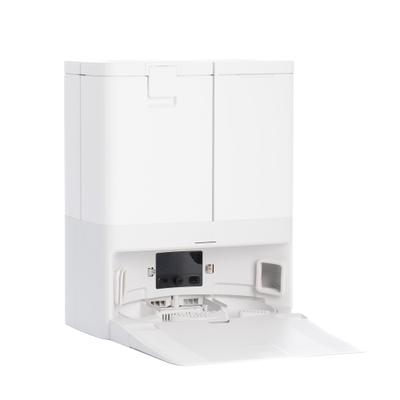
Omni Station (Low Voltage)eufy Omni Station (Low Votage) Authentic part manufactured by eufy. Compatible with X10 Pro Omni. Note: Power cord and dust bag are not included, You can purchase it through those links: Power cord: https://www.eufy.com/products/t2276111-91 Dust...251,25 $*Shipping: 0,00 $Secure redirect to the provider
-
Inspired Deals 13 Piece Insulated Screwdriver Set With Voltage Tester And High Voltage Protection For Electricians 13 Piece Insulated Screwdriver Set With Voltage Tester And High Voltage Protection For ElectriciansWork with confidence when every connection matters. This electrician screwdriver set is designed for professionals, technicians, and DIY users who need reliable protection while handling electrical tasks. Featuring a highvoltage resistant insulated...64,97 $*Shipping: 0,00 $Secure redirect to the provider
-
What does equity capital requirement mean?
Equity capital requirement refers to the amount of capital that a company is required to maintain in the form of equity, such as common stock or retained earnings, in order to meet regulatory standards or financial obligations. It is a measure of the company's financial stability and ability to absorb losses. Meeting equity capital requirements is important for ensuring that a company has a sufficient cushion to cover potential risks and liabilities. Failure to meet these requirements can result in penalties or restrictions imposed by regulatory authorities. **
-
What does equity capital adequacy mean?
Equity capital adequacy refers to the amount of equity capital a company has in relation to its total assets and liabilities. It is a measure of a company's financial health and ability to absorb losses. A higher equity capital adequacy ratio indicates that a company has a stronger financial position and is better able to withstand financial shocks or downturns. It is an important metric for investors and regulators to assess the stability and risk profile of a company. **
-
What is the difference between debt capital and equity capital?
Debt capital is money borrowed from lenders or creditors, which must be repaid with interest over a specified period of time. It represents a liability on the company's balance sheet. Equity capital, on the other hand, is money raised by a company by selling shares of ownership in the business. Equity capital does not need to be repaid and represents an ownership stake in the company. While debt capital involves borrowing money, equity capital involves selling ownership in the company to investors. **
-
What is the difference between share capital and equity capital?
Share capital refers to the total value of shares issued by a company to its shareholders, representing their ownership in the company. On the other hand, equity capital refers to the total value of the shareholders' equity in a company, which includes share capital plus any additional capital contributed by shareholders through retained earnings or other equity instruments. In essence, share capital is a subset of equity capital, as it represents the initial investment made by shareholders through the purchase of shares. **
* All prices are inclusive of VAT and, if applicable, plus shipping costs. The offer information is based on the details provided by the respective shop and is updated through automated processes. Real-time updates do not occur, so deviations can occur in individual cases. ** Note: Parts of this content were created by AI.