Buy corporate-finance.eu ?
We are moving the project
corporate-finance.eu .
Are you interested in purchasing the domain
corporate-finance.eu ?
domain@kv-gmbh.de · 0541-91531010
Buy corporate-finance.eu ?
How is equity, debt capital, current assets, and fixed assets combined?
Equity, debt capital, current assets, and fixed assets are combined on a company's balance sheet. Equity represents the ownership interest of the shareholders, while debt capital represents the funds borrowed by the company. Current assets, such as cash, inventory, and accounts receivable, are combined with fixed assets, such as property, plant, and equipment, to represent the total assets of the company. These components are combined to provide a snapshot of the company's financial position and to show how the company has financed its operations and investments. **
What is equity capital?
Equity capital refers to the funds that a company raises by selling shares of ownership in the business. These shares represent ownership in the company and entitle the shareholders to a portion of the company's profits and a say in its decision-making processes. Equity capital is a crucial source of long-term funding for a company and can be raised through the sale of common stock or preferred stock. Unlike debt capital, equity capital does not need to be repaid and does not accrue interest, but it does dilute the ownership stake of existing shareholders. **


Similar search terms for Decision
Top-Angebote
Products related to Decision:
-
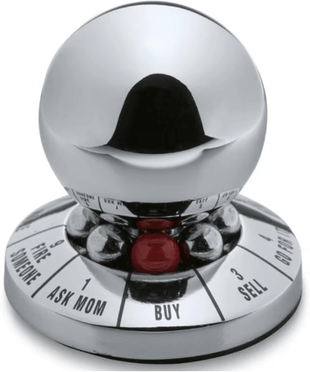
Inspired Finds Metal Prophecy Decision Ball Spinner Desk Toy Stress Relief Fate Picker Gadget Metal Prophecy Decision Ball Spinner Desk Toy Stress Relief Fate Picker GadgetTurn everyday indecision into a fun, satisfying moment with this decision maker ball designed to spin and reveal your next move. Crafted as a sleek desk accessory, this prophecy fate spinner combines smooth rotation with a playful fate choosing...38,99 $*Shipping: 0,00 $Secure redirect to the provider
-
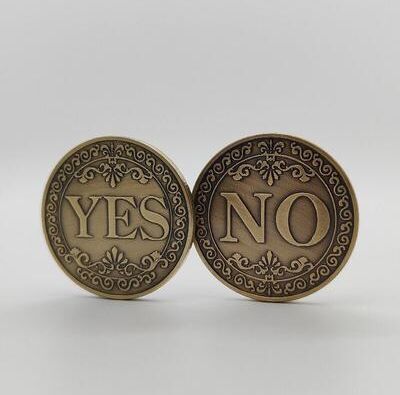
Modern Mode Marketplace Bronze Yes No Decision Coin Challenge Coin For Games Gifts And Collectors Bronze Yes No Decision Coin Challenge Coin For Games Gifts And CollectorsMake everyday choices feel a little more fun, meaningful, and memorable. This yes no decision coin is a bronzestyle noncurrency token designed for quick decisions, games, displays, and thoughtful gifting. Its vintage look gives it a collectible feel...29,97 $*Shipping: 0,00 $Secure redirect to the provider
-
Uplift Treasures Couples Food Decision Dice Fun Gift For Him And Her fProduct Description: Take the stress out of choosing meals with this fun couples food decision dice. Simply roll the dice and let fate decide your next dining choice. Perfect for date nights, anniversaries, birthdays, Valentine's Day, Christmas, or...40,97 $*Shipping: 0,00 $Secure redirect to the provider
-
Wise Wizard Games Elemystic 2-Player Card Game - Elemental Strategy - Tactical Decision-MakingCompact two-player card game combining elemental strategy, intuition, and tactical decision-making. Fast-paced duel with elemental forces, fire, water, air, and shadow. Ideal for game nights and travel.7,98 £*Shipping: 3,95 £Secure redirect to the provider



-
What is meant by an inorganic corporate merger?
An inorganic corporate merger refers to a merger or acquisition between two companies that are not directly related in terms of their core business activities or industries. This type of merger typically involves companies from different sectors coming together to create synergies, expand their market reach, or diversify their product offerings. Inorganic mergers are often pursued to accelerate growth, gain access to new technologies or markets, or achieve cost efficiencies through economies of scale. **
-
Which tangible assets for investment?
Tangible assets for investment can include real estate properties, such as residential or commercial buildings, land, or rental properties. Other tangible assets may include precious metals like gold and silver, artwork, collectibles, or even vintage cars. These assets have the potential to appreciate in value over time and can provide a source of passive income through rental yields or capital appreciation upon resale. It is important to carefully research and evaluate the market conditions and potential risks associated with each type of tangible asset before making an investment decision. **
-
What does equity capital requirement mean?
Equity capital requirement refers to the amount of capital that a company is required to maintain in the form of equity, such as common stock or retained earnings, in order to meet regulatory standards or financial obligations. It is a measure of the company's financial stability and ability to absorb losses. Meeting equity capital requirements is important for ensuring that a company has a sufficient cushion to cover potential risks and liabilities. Failure to meet these requirements can result in penalties or restrictions imposed by regulatory authorities. **
-
What does equity capital adequacy mean?
Equity capital adequacy refers to the amount of equity capital a company has in relation to its total assets and liabilities. It is a measure of a company's financial health and ability to absorb losses. A higher equity capital adequacy ratio indicates that a company has a stronger financial position and is better able to withstand financial shocks or downturns. It is an important metric for investors and regulators to assess the stability and risk profile of a company. **

What is the difference between debt capital and equity capital?
Debt capital is money borrowed from lenders or creditors, which must be repaid with interest over a specified period of time. It represents a liability on the company's balance sheet. Equity capital, on the other hand, is money raised by a company by selling shares of ownership in the business. Equity capital does not need to be repaid and represents an ownership stake in the company. While debt capital involves borrowing money, equity capital involves selling ownership in the company to investors. **
What is the difference between share capital and equity capital?
Share capital refers to the total value of shares issued by a company to its shareholders, representing their ownership in the company. On the other hand, equity capital refers to the total value of the shareholders' equity in a company, which includes share capital plus any additional capital contributed by shareholders through retained earnings or other equity instruments. In essence, share capital is a subset of equity capital, as it represents the initial investment made by shareholders through the purchase of shares. **
Top-Angebote
Products related to Decision:
-
Market Central Lucky Decision Ball Desktop Fidget Toy Stress Relief Decision Maker Lucky Decision Ball Desktop Fidget Toy Stress Relief Decision MakerTurn everyday choices into a fun little ritual with this lucky decision ball. Designed for adults who enjoy playful desk accessories, it combines a decision maker ball with a satisfying spinning motion for quick breaks during busy days. Give it a...49,97 $*Shipping: 0,00 $Secure redirect to the provider
-
Inspired Finds Metal Prophecy Decision Ball Spinner Desk Toy Stress Relief Fate Picker Gadget Metal Prophecy Decision Ball Spinner Desk Toy Stress Relief Fate Picker GadgetTurn everyday indecision into a fun, satisfying moment with this decision maker ball designed to spin and reveal your next move. Crafted as a sleek desk accessory, this prophecy fate spinner combines smooth rotation with a playful fate choosing...38,99 $*Shipping: 0,00 $Secure redirect to the provider
-
Modern Mode Marketplace Bronze Yes No Decision Coin Challenge Coin For Games Gifts And Collectors Bronze Yes No Decision Coin Challenge Coin For Games Gifts And CollectorsMake everyday choices feel a little more fun, meaningful, and memorable. This yes no decision coin is a bronzestyle noncurrency token designed for quick decisions, games, displays, and thoughtful gifting. Its vintage look gives it a collectible feel...29,97 $*Shipping: 0,00 $Secure redirect to the provider
-
How is equity, debt capital, current assets, and fixed assets combined?
Equity, debt capital, current assets, and fixed assets are combined on a company's balance sheet. Equity represents the ownership interest of the shareholders, while debt capital represents the funds borrowed by the company. Current assets, such as cash, inventory, and accounts receivable, are combined with fixed assets, such as property, plant, and equipment, to represent the total assets of the company. These components are combined to provide a snapshot of the company's financial position and to show how the company has financed its operations and investments. **
-
What is equity capital?
Equity capital refers to the funds that a company raises by selling shares of ownership in the business. These shares represent ownership in the company and entitle the shareholders to a portion of the company's profits and a say in its decision-making processes. Equity capital is a crucial source of long-term funding for a company and can be raised through the sale of common stock or preferred stock. Unlike debt capital, equity capital does not need to be repaid and does not accrue interest, but it does dilute the ownership stake of existing shareholders. **
-
What is meant by an inorganic corporate merger?
An inorganic corporate merger refers to a merger or acquisition between two companies that are not directly related in terms of their core business activities or industries. This type of merger typically involves companies from different sectors coming together to create synergies, expand their market reach, or diversify their product offerings. Inorganic mergers are often pursued to accelerate growth, gain access to new technologies or markets, or achieve cost efficiencies through economies of scale. **
-
Which tangible assets for investment?
Tangible assets for investment can include real estate properties, such as residential or commercial buildings, land, or rental properties. Other tangible assets may include precious metals like gold and silver, artwork, collectibles, or even vintage cars. These assets have the potential to appreciate in value over time and can provide a source of passive income through rental yields or capital appreciation upon resale. It is important to carefully research and evaluate the market conditions and potential risks associated with each type of tangible asset before making an investment decision. **
Similar search terms for Decision
-
Uplift Treasures Couples Food Decision Dice Fun Gift For Him And Her fProduct Description: Take the stress out of choosing meals with this fun couples food decision dice. Simply roll the dice and let fate decide your next dining choice. Perfect for date nights, anniversaries, birthdays, Valentine's Day, Christmas, or...40,97 $*Shipping: 0,00 $Secure redirect to the provider
-
Wise Wizard Games Elemystic 2-Player Card Game - Elemental Strategy - Tactical Decision-MakingCompact two-player card game combining elemental strategy, intuition, and tactical decision-making. Fast-paced duel with elemental forces, fire, water, air, and shadow. Ideal for game nights and travel.7,98 £*Shipping: 3,95 £Secure redirect to the provider
-
Inspired Finds Food Decision Dice For Couples Date Night Dinner Decider Gift hiking"Take the endless ""What should we eat"" debate out of date night with this food decision dice, a playful way to make meal choices together. Simply roll and let chance point you toward your next dinner option, adding a little spontaneity to an ordinary..."39,99 $*Shipping: 0,00 $Secure redirect to the provider
-
Inspire Picks Prophecy Of Fate Decision Maker Ball Finger Rotator Stress Relief Desk Toy 1pcFeeling stuck between choices Let this playful decision maker ball add a spark of fun to your day. Designed as a creative fortune telling desk toy, it spins smoothly with a simple flick, revealing lighthearted answers while doubling as a calming...58,80 $*Shipping: 0,00 $Secure redirect to the provider
-
What does equity capital requirement mean?
Equity capital requirement refers to the amount of capital that a company is required to maintain in the form of equity, such as common stock or retained earnings, in order to meet regulatory standards or financial obligations. It is a measure of the company's financial stability and ability to absorb losses. Meeting equity capital requirements is important for ensuring that a company has a sufficient cushion to cover potential risks and liabilities. Failure to meet these requirements can result in penalties or restrictions imposed by regulatory authorities. **
-
What does equity capital adequacy mean?
Equity capital adequacy refers to the amount of equity capital a company has in relation to its total assets and liabilities. It is a measure of a company's financial health and ability to absorb losses. A higher equity capital adequacy ratio indicates that a company has a stronger financial position and is better able to withstand financial shocks or downturns. It is an important metric for investors and regulators to assess the stability and risk profile of a company. **
-
What is the difference between debt capital and equity capital?
Debt capital is money borrowed from lenders or creditors, which must be repaid with interest over a specified period of time. It represents a liability on the company's balance sheet. Equity capital, on the other hand, is money raised by a company by selling shares of ownership in the business. Equity capital does not need to be repaid and represents an ownership stake in the company. While debt capital involves borrowing money, equity capital involves selling ownership in the company to investors. **
-
What is the difference between share capital and equity capital?
Share capital refers to the total value of shares issued by a company to its shareholders, representing their ownership in the company. On the other hand, equity capital refers to the total value of the shareholders' equity in a company, which includes share capital plus any additional capital contributed by shareholders through retained earnings or other equity instruments. In essence, share capital is a subset of equity capital, as it represents the initial investment made by shareholders through the purchase of shares. **
* All prices are inclusive of VAT and, if applicable, plus shipping costs. The offer information is based on the details provided by the respective shop and is updated through automated processes. Real-time updates do not occur, so deviations can occur in individual cases. ** Note: Parts of this content were created by AI.