Buy corporate-finance.eu ?
We are moving the project
corporate-finance.eu .
Are you interested in purchasing the domain
corporate-finance.eu ?
domain@kv-gmbh.de · 0541-91531010
Buy corporate-finance.eu ?
How is equity, debt capital, current assets, and fixed assets combined?
Equity, debt capital, current assets, and fixed assets are combined on a company's balance sheet. Equity represents the ownership interest of the shareholders, while debt capital represents the funds borrowed by the company. Current assets, such as cash, inventory, and accounts receivable, are combined with fixed assets, such as property, plant, and equipment, to represent the total assets of the company. These components are combined to provide a snapshot of the company's financial position and to show how the company has financed its operations and investments. **
What is equity capital?
Equity capital refers to the funds that a company raises by selling shares of ownership in the business. These shares represent ownership in the company and entitle the shareholders to a portion of the company's profits and a say in its decision-making processes. Equity capital is a crucial source of long-term funding for a company and can be raised through the sale of common stock or preferred stock. Unlike debt capital, equity capital does not need to be repaid and does not accrue interest, but it does dilute the ownership stake of existing shareholders. **

Similar search terms for Gaja-Sito-Moresco-2023
Top-Angebote
Products related to Gaja-Sito-Moresco-2023:
-
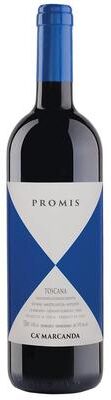
Promis Ca' Marcanda Gaja 2023The red wine "Promis" was conceived, produced and signed by Angelo Gaja in the territory of Bolgheri. After truly charting and building the history of Barbaresco in Piedmont and then taking it widely around the world, Gaja has taken up the challenge of producing great wines in Tuscany. His goal is to bring to life elegant wines of great excellence that can communicate the extraordinary gifts of the Italian terroir to the world. "Promis" is produced at the Ca' Marcanda winery, owned by Angelo Gaja in Tuscany. It is made from red grape varieties, mainly international but embellished with a hint of territoriality: Merlot is present for 55%, Syrah for 35%, and, finally, the native Sangiovese, present for 10%. The excellence of this Tuscan red wine is the result of careful and meticulous work that begins in the vineyard, continues during the harvest, thanks to a strict selection of the best bunches, and then in the cellar, where slow, spontaneous and non-invasive processing is favoured. Following fermentation, the wine ages for 18 months in French oak barriques, stabilizing naturally and reaching a good expressive maturity. "Promis" Ca' Marcanda shows a winey and intense ruby red colour. The nose reveals a deep and complex soul that first introduces ripe red fruit and dark-fleshed drupes, then gives way to the entry of toasted and spicy scents, with pleasant and very fine notes of liquorice and goudron. The palate proves warm and full-bodied: it envelops and seduces the senses while always maintaining freshness and tannin. The overall picture is finely managed in a refined interplay of taste-olfactory balance. The persistence is long and intense. This is clear evidence of how the finesse of a wine can be declined into a form of austerity, always maintaining a good drinking pleasure.48,00 £*Shipping: 48,00 £Secure redirect to the provider
-
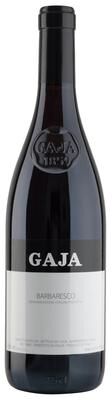
"""Gaja Barbaresco 2023 Red Wine - Italy""""""The defining feature is its floral character and the sweetness of both aromas and tannins, which give the wine remarkable finesse. On the nose, sweet and fresh notes of pollen and delicate flowers emerge, with hints of bergamot, roses and violets,..."386,99 $*Shipping: 0,00 $Secure redirect to the provider
-
"""Gaja Ca'Marcanda Promis 2023 Red Wine - Italy""""""On the nose, it reveals a captivating and layered profile, with spicy notes evoking a mix of black pepper and cloves, enriched by fresh hints of red cherry and crunchy rhubarb. The presence of roasted coffee adds a deep and enveloping dimension. On..."74,99 $*Shipping: 0,00 $Secure redirect to the provider
-
"""Gaja Ca'Marcanda Vistamare 2023 White Wine - Italy""""""On the nose, the wine develops floral notes with scents of chamomile, lime and lemongrass; at second glance it displays notes of apple, apricot, peach, lychee and flint. On the palate, the wine is fresh with medium structure, the wood is well..."79,99 $*Shipping: 0,00 $Secure redirect to the provider


-
What is meant by an inorganic corporate merger?
An inorganic corporate merger refers to a merger or acquisition between two companies that are not directly related in terms of their core business activities or industries. This type of merger typically involves companies from different sectors coming together to create synergies, expand their market reach, or diversify their product offerings. Inorganic mergers are often pursued to accelerate growth, gain access to new technologies or markets, or achieve cost efficiencies through economies of scale. **
-
Which tangible assets for investment?
Tangible assets for investment can include real estate properties, such as residential or commercial buildings, land, or rental properties. Other tangible assets may include precious metals like gold and silver, artwork, collectibles, or even vintage cars. These assets have the potential to appreciate in value over time and can provide a source of passive income through rental yields or capital appreciation upon resale. It is important to carefully research and evaluate the market conditions and potential risks associated with each type of tangible asset before making an investment decision. **
-
What does equity capital requirement mean?
Equity capital requirement refers to the amount of capital that a company is required to maintain in the form of equity, such as common stock or retained earnings, in order to meet regulatory standards or financial obligations. It is a measure of the company's financial stability and ability to absorb losses. Meeting equity capital requirements is important for ensuring that a company has a sufficient cushion to cover potential risks and liabilities. Failure to meet these requirements can result in penalties or restrictions imposed by regulatory authorities. **
-
What does equity capital adequacy mean?
Equity capital adequacy refers to the amount of equity capital a company has in relation to its total assets and liabilities. It is a measure of a company's financial health and ability to absorb losses. A higher equity capital adequacy ratio indicates that a company has a stronger financial position and is better able to withstand financial shocks or downturns. It is an important metric for investors and regulators to assess the stability and risk profile of a company. **

What is the difference between debt capital and equity capital?
Debt capital is money borrowed from lenders or creditors, which must be repaid with interest over a specified period of time. It represents a liability on the company's balance sheet. Equity capital, on the other hand, is money raised by a company by selling shares of ownership in the business. Equity capital does not need to be repaid and represents an ownership stake in the company. While debt capital involves borrowing money, equity capital involves selling ownership in the company to investors. **
What is the difference between share capital and equity capital?
Share capital refers to the total value of shares issued by a company to its shareholders, representing their ownership in the company. On the other hand, equity capital refers to the total value of the shareholders' equity in a company, which includes share capital plus any additional capital contributed by shareholders through retained earnings or other equity instruments. In essence, share capital is a subset of equity capital, as it represents the initial investment made by shareholders through the purchase of shares. **
Top-Angebote
Products related to Gaja-Sito-Moresco-2023:
-
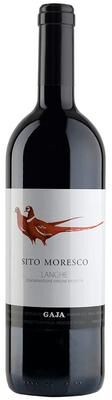
"""Gaja Sito Moresco 2023 Red Wine - Italy""""""The nose is dominated by fruit, but also citrus and floral hints emerge. On the palate it’s juicy and the floral notes persist alongside scents of licorice. Subtle hints of cherry and strawberry create a harmonious blend of floral elegance and..."74,99 $*Shipping: 0,00 $Secure redirect to the provider
-
"""Gaja Sito Moresco (375Ml half-bottle) 2024 Red Wine - Italy""""""Deep garnet with vibrant violet hues. The nose opens with layered notes of underbrush, violet, sweet licorice, and blackberry, which echo on the palate. The entry is sweet and enveloping, supported by medium structure and a rich core of red fruits,..."44,99 $*Shipping: 0,00 $Secure redirect to the provider
-
Promis Ca' Marcanda Gaja 2023The red wine "Promis" was conceived, produced and signed by Angelo Gaja in the territory of Bolgheri. After truly charting and building the history of Barbaresco in Piedmont and then taking it widely around the world, Gaja has taken up the challenge of producing great wines in Tuscany. His goal is to bring to life elegant wines of great excellence that can communicate the extraordinary gifts of the Italian terroir to the world. "Promis" is produced at the Ca' Marcanda winery, owned by Angelo Gaja in Tuscany. It is made from red grape varieties, mainly international but embellished with a hint of territoriality: Merlot is present for 55%, Syrah for 35%, and, finally, the native Sangiovese, present for 10%. The excellence of this Tuscan red wine is the result of careful and meticulous work that begins in the vineyard, continues during the harvest, thanks to a strict selection of the best bunches, and then in the cellar, where slow, spontaneous and non-invasive processing is favoured. Following fermentation, the wine ages for 18 months in French oak barriques, stabilizing naturally and reaching a good expressive maturity. "Promis" Ca' Marcanda shows a winey and intense ruby red colour. The nose reveals a deep and complex soul that first introduces ripe red fruit and dark-fleshed drupes, then gives way to the entry of toasted and spicy scents, with pleasant and very fine notes of liquorice and goudron. The palate proves warm and full-bodied: it envelops and seduces the senses while always maintaining freshness and tannin. The overall picture is finely managed in a refined interplay of taste-olfactory balance. The persistence is long and intense. This is clear evidence of how the finesse of a wine can be declined into a form of austerity, always maintaining a good drinking pleasure.48,00 £*Shipping: 48,00 £Secure redirect to the provider
-
"""Gaja Barbaresco 2023 Red Wine - Italy""""""The defining feature is its floral character and the sweetness of both aromas and tannins, which give the wine remarkable finesse. On the nose, sweet and fresh notes of pollen and delicate flowers emerge, with hints of bergamot, roses and violets,..."386,99 $*Shipping: 0,00 $Secure redirect to the provider
-
How is equity, debt capital, current assets, and fixed assets combined?
Equity, debt capital, current assets, and fixed assets are combined on a company's balance sheet. Equity represents the ownership interest of the shareholders, while debt capital represents the funds borrowed by the company. Current assets, such as cash, inventory, and accounts receivable, are combined with fixed assets, such as property, plant, and equipment, to represent the total assets of the company. These components are combined to provide a snapshot of the company's financial position and to show how the company has financed its operations and investments. **
-
What is equity capital?
Equity capital refers to the funds that a company raises by selling shares of ownership in the business. These shares represent ownership in the company and entitle the shareholders to a portion of the company's profits and a say in its decision-making processes. Equity capital is a crucial source of long-term funding for a company and can be raised through the sale of common stock or preferred stock. Unlike debt capital, equity capital does not need to be repaid and does not accrue interest, but it does dilute the ownership stake of existing shareholders. **
-
What is meant by an inorganic corporate merger?
An inorganic corporate merger refers to a merger or acquisition between two companies that are not directly related in terms of their core business activities or industries. This type of merger typically involves companies from different sectors coming together to create synergies, expand their market reach, or diversify their product offerings. Inorganic mergers are often pursued to accelerate growth, gain access to new technologies or markets, or achieve cost efficiencies through economies of scale. **
-
Which tangible assets for investment?
Tangible assets for investment can include real estate properties, such as residential or commercial buildings, land, or rental properties. Other tangible assets may include precious metals like gold and silver, artwork, collectibles, or even vintage cars. These assets have the potential to appreciate in value over time and can provide a source of passive income through rental yields or capital appreciation upon resale. It is important to carefully research and evaluate the market conditions and potential risks associated with each type of tangible asset before making an investment decision. **
Similar search terms for Gaja-Sito-Moresco-2023
-
"""Gaja Ca'Marcanda Promis 2023 Red Wine - Italy""""""On the nose, it reveals a captivating and layered profile, with spicy notes evoking a mix of black pepper and cloves, enriched by fresh hints of red cherry and crunchy rhubarb. The presence of roasted coffee adds a deep and enveloping dimension. On..."74,99 $*Shipping: 0,00 $Secure redirect to the provider
-
"""Gaja Ca'Marcanda Vistamare 2023 White Wine - Italy""""""On the nose, the wine develops floral notes with scents of chamomile, lime and lemongrass; at second glance it displays notes of apple, apricot, peach, lychee and flint. On the palate, the wine is fresh with medium structure, the wood is well..."79,99 $*Shipping: 0,00 $Secure redirect to the provider
-
"""Gaja Ca'Marcanda Magari 2023 Red Wine - Italy""""""The nose is remarkably intense, immediately presenting saline notes, flower bulbs, fresh wood logs, oregano and other aromatic herbs. The floral aspect dominates over the fruit, with a mature, almost wilted flower character. The wine is dense,..."118,99 $*Shipping: 0,00 $Secure redirect to the provider
-
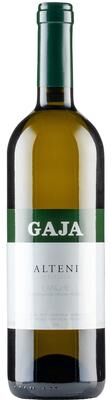
"""Gaja Alteni Di Brassica Sauvignon Blanc 2023 White Wine - Italy""""""Very fresh, with notes of lemon, lime, and lychee, accompanied by fresh vegetal aromas. A rich bouquet of aromatic herbs ranges from thyme to mint, from lemon-scented sage to rosemary. It presents aromas of pear jam, fruit mustard, and a spicy hint..."192,99 $*Shipping: 0,00 $Secure redirect to the provider
-
What does equity capital requirement mean?
Equity capital requirement refers to the amount of capital that a company is required to maintain in the form of equity, such as common stock or retained earnings, in order to meet regulatory standards or financial obligations. It is a measure of the company's financial stability and ability to absorb losses. Meeting equity capital requirements is important for ensuring that a company has a sufficient cushion to cover potential risks and liabilities. Failure to meet these requirements can result in penalties or restrictions imposed by regulatory authorities. **
-
What does equity capital adequacy mean?
Equity capital adequacy refers to the amount of equity capital a company has in relation to its total assets and liabilities. It is a measure of a company's financial health and ability to absorb losses. A higher equity capital adequacy ratio indicates that a company has a stronger financial position and is better able to withstand financial shocks or downturns. It is an important metric for investors and regulators to assess the stability and risk profile of a company. **
-
What is the difference between debt capital and equity capital?
Debt capital is money borrowed from lenders or creditors, which must be repaid with interest over a specified period of time. It represents a liability on the company's balance sheet. Equity capital, on the other hand, is money raised by a company by selling shares of ownership in the business. Equity capital does not need to be repaid and represents an ownership stake in the company. While debt capital involves borrowing money, equity capital involves selling ownership in the company to investors. **
-
What is the difference between share capital and equity capital?
Share capital refers to the total value of shares issued by a company to its shareholders, representing their ownership in the company. On the other hand, equity capital refers to the total value of the shareholders' equity in a company, which includes share capital plus any additional capital contributed by shareholders through retained earnings or other equity instruments. In essence, share capital is a subset of equity capital, as it represents the initial investment made by shareholders through the purchase of shares. **
* All prices are inclusive of VAT and, if applicable, plus shipping costs. The offer information is based on the details provided by the respective shop and is updated through automated processes. Real-time updates do not occur, so deviations can occur in individual cases. ** Note: Parts of this content were created by AI.